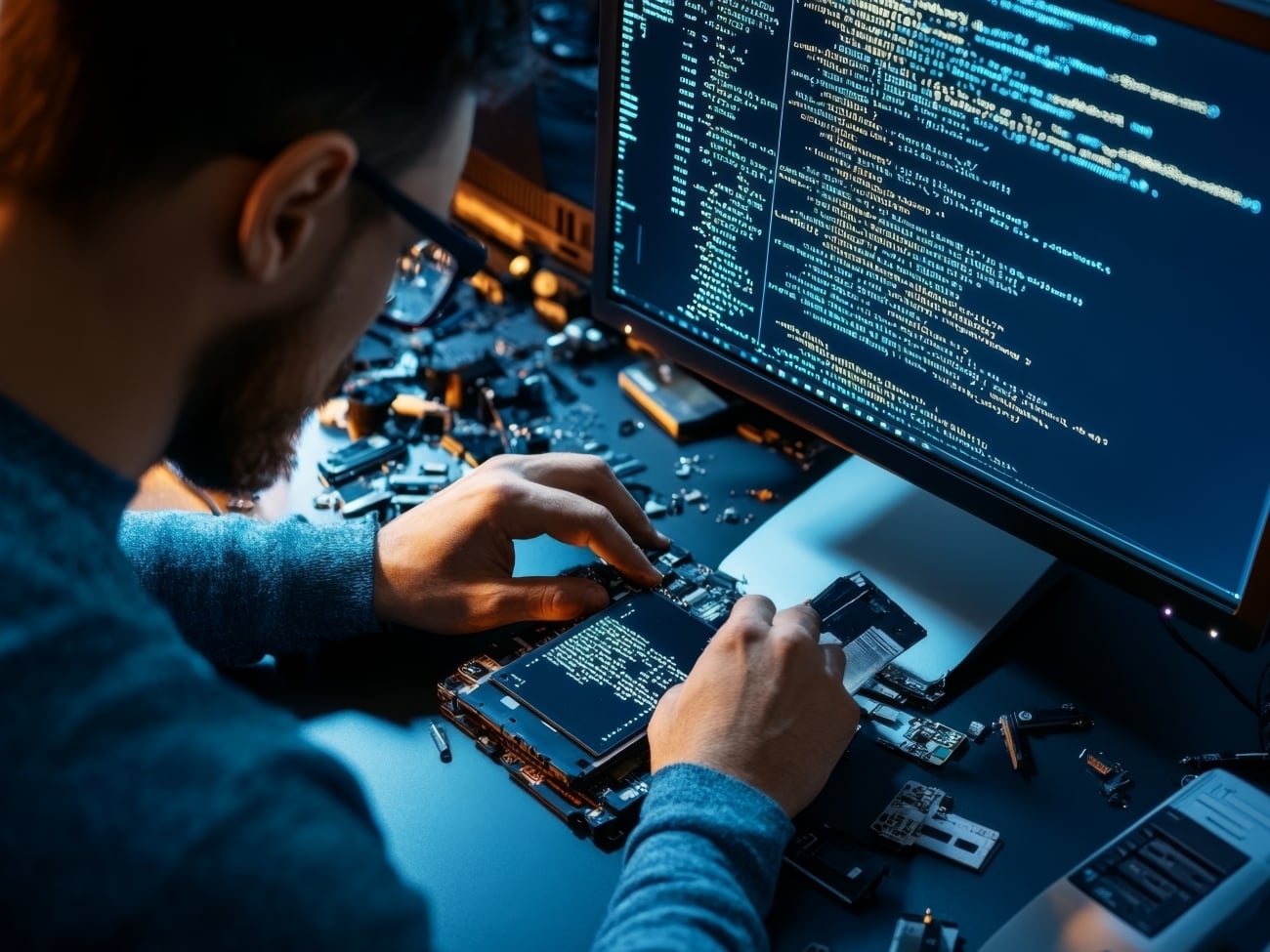
Digital evidence plays an important role in litigation, internal investigations, employment disputes, and cybersecurity incidents. For midsize law firms, the ability to collect, preserve, and analyze that evidence can be essential to building a strong case and advising clients effectively. But examining that evidence requires specialized tools and technical knowledge that many midsize law firms may not have in-house.
“Digital forensics isn’t just about collecting data,” said Jonathan Edwards, Senior Digital Forensics Investigator. “It’s about understanding what the evidence can tell us, preserving it properly, and providing findings that help legal teams make informed decisions. Working with an experienced forensic partner means having access to the right expertise and technology whenever a case calls for it.”
For midsize firms, outsourcing forensic services offers a way to take on matters involving complex digital evidence without the overhead of maintaining a dedicated team. A managed services partner can provide resources tailored to each investigation, helping firms control costs while expanding the capabilities they can offer clients.
What is Digital Forensics, and Why Does It Matter?
Digital forensics is the process of identifying, collecting, preserving, examining, and analyzing electronic data to help answer questions relevant to an investigation or legal matter. Unlike simply opening files or reviewing emails, a forensic examination uses specialized methods to recover and interpret information while preserving the integrity of the original evidence.
Potential sources of digital evidence include computers, mobile devices, external hard drives, email accounts, cloud-based systems, and other electronic storage locations. Depending on the circumstances, an examination may help establish when a file was created or modified, identify communications between individuals, recover certain deleted information, or reconstruct activity on a device.
These findings can be valuable in intellectual property (IP) disputes, employee departures, suspected data theft, internal investigations, and other litigation. Digital forensics can also help organizations investigate suspected cybersecurity incidents and understand what happened, which systems were affected, and what information may have been exposed.
The process requires more than technical tools. Evidence must be handled carefully, findings must be documented, and the methods used must be appropriate for the investigation. The National Institute of Standards and Technology (NIST) identifies collection, examination, analysis, and reporting as core components of digital forensic work.
The Challenge of Building an In-House Forensics Team
For midsize law firms, providing comprehensive digital forensic services internally can be difficult to justify financially. Qualified forensic examiners need specialized training and experience, while forensic software, secure workstations, evidence storage, and other technical resources require investment and ongoing maintenance.
Demand can also fluctuate significantly. One case may require a focused examination of a single laptop, while another may involve multiple devices, extensive communications, or a time-sensitive investigation. Maintaining enough in-house capacity for the largest potential matters can leave resources underused during quieter periods.
The Difference Between IT and Digital Forensics
There is an important distinction between general IT support and digital forensic expertise. IT professionals are typically focused on maintaining systems, resolving technical issues, and supporting day-to-day operations. Digital forensic examinations serve a different purpose: The identification, preservation, acquisition, analysis, and documentation of electronic evidence using methods intended to withstand scrutiny in legal proceedings.
This distinction can become especially important if the evidence is challenged or testimony is required. Counsel should consider not only who can collect the data, but who’s prepared to explain and defend the collection, methodology, findings, and limitations under oath. A seasoned digital forensic investigator with extensive experience handling electronically stored information (ESI) and regularly providing testimony brings an evidentiary perspective that is fundamentally different from traditional IT support.
For firms without dedicated forensic personnel, trying to manage this work internally can divert staff from their primary responsibilities and introduce avoidable risks. Outsourcing gives firms access to the appropriate expertise without requiring them to build every capability themselves.
How Managed Digital Forensic Services Provide a Cost-Effective Alternative
Managed digital forensic services allow law firms to engage specialized professionals according to the requirements of a particular matter. Rather than carrying the fixed costs of an in-house team, firms can draw on external expertise when an investigation arises and adjust the level of assistance as the work develops.
This model offers several practical advantages:
- Access to specialized expertise – Experienced digital forensic professionals understand how to collect and examine electronic evidence, identify relevant artifacts, and document their findings. They can help attorneys determine which data sources warrant examination and how the results may inform the broader case strategy.
- More predictable resource planning – Outsourcing can reduce the need for substantial upfront investment in forensic tools, equipment, and dedicated personnel. Firms can align spending with actual project requirements, making it easier to evaluate costs against the scope and value of an investigation.
- Dedicated project management – With managed digital forensics, firms also get a team of project managers (PMs) that can assume responsibility for the day-to-day logistics of ESI collection and preservation. PMs coordinate custodians, scheduling, documentation, communications, collection activities, and interactions with the end client, while maintaining visibility for counsel.
- Flexibility as matters change – An investigation may expand when new evidence emerges or narrow when initial findings answer the key questions. A managed services partner can help firms respond to changing requirements without having to recruit additional employees or purchase new technology for every situation.
- Protect attorney time – Technical evidence issues can quickly consume valuable attorney and staff resources. Assigning forensic work to specialists keeps the technical examination where it belongs, while allowing the legal team to remain focused on strategy, discovery, client needs, and advancing the matter.
These benefits are particularly relevant when clients expect their outside counsel to coordinate sophisticated investigative work while remaining attentive to budgets. Outsourcing helps midsize firms access capabilities that might otherwise be difficult to offer economically.
Why Evidence Preservation and Documentation Are Essential
Cost efficiency should never come at the expense of evidence integrity. Digital information can be altered, lost, or compromised through improper handling, and mistakes during collection may affect what investigators can learn from the available data.
A qualified digital forensics provider should follow documented procedures for acquiring and preserving evidence, maintaining chain of custody, and recording investigative actions. Chain of custody refers to the documented history of evidence, including who handled it, when it was transferred, and how it was maintained. This record helps establish accountability and allows others to evaluate how evidence was handled.
Forensic examiners may also use cryptographic hash values: Digital fingerprints that help determine whether data has changed between collection and later verification. These checks, combined with appropriate acquisition methods and secure evidence storage, help preserve the integrity of collected information. NIST’s guidance on digital evidence preservation explains why documentation, integrity checks, and appropriate handling procedures are important throughout the evidence lifecycle.
Law firms should also ensure that the scope of an examination is clearly defined, that access to sensitive information is appropriately controlled, and that the provider understands applicable legal requirements. The specific methods used will depend on the evidence, the questions being investigated, and the circumstances of the matter.
Choosing the Right Digital Forensics Partner
The value of outsourcing depends on selecting a provider that combines technical proficiency with an understanding of legal work. Firms should look for a partner that can explain its forensic methods in clear language, tailor the examination to the case objectives, and provide findings that attorneys can understand and evaluate.
It’s also important to discuss data security, evidence handling, documentation, reporting, turnaround expectations, and pricing before work begins. A clearly defined scope helps prevent unnecessary examination and keeps resources focused on the questions that matter most.
For firms that also use eDiscovery services, a provider with experience in both disciplines, like Avalon, can help coordinate the transition from forensic collection to downstream data processing and review when appropriate. Digital forensics and eDiscovery serve different purposes, but they work together: Forensics focuses on collecting and examining digital evidence, while eDiscovery involves identifying, processing, reviewing, and producing information relevant to litigation or an investigation.
Compete More Effectively Without Expanding Overhead
With the right managed forensic services partner, midsize firms can access the technical expertise, evidence-handling processes, and flexible resources required for complex investigations while keeping internal overhead in check. The key is to treat outsourcing as a strategic resource rather than a last-minute solution. Establishing a relationship with a qualified provider before an urgent matter arises makes it easier to define expectations, understand costs, and respond when digital evidence becomes central to a case.
Access Digital Forensics Expertise Whenever You Need It
Avalon provides digital forensics expertise tailored to your case, helping you preserve critical evidence, investigate digital activity, and manage costs along the way. Contact our experts today to discuss your digital forensics needs.