
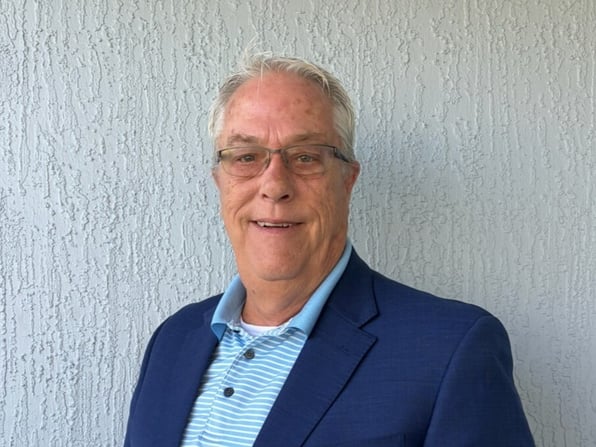
As Avalon’s Managing Director of Managed Review, Chuck brings something rare to the table: The operational rigor of a military background, the strategic instincts of someone who has navigated some of the most complex reviews in the country, and a genuine belief that the people on both sides of the table matter as much as the technology behind them.
We recently sat down with Chuck to talk about where managed review has been, where it's going, and what sets Avalon ahead of the pack.
What did managed review look like ten years ago, and how has it changed?
Ten years ago, it was entirely human-oriented. Today it's AI-accelerated workflows, higher client expectations for defensibility, and a shift toward integration and long-term review partnerships.
How does Avalon use AI in the document review process?
Avalon uses AI as an integrated, defensible accelerator. It’s not a shortcut, it’s not a black box, and it’s not a replacement for human expertise. Our approach blends technology, process, and people in ways that most providers simply don’t offer.
What makes Avalon different from others in the industry?
Avalon delivers big firm capability with boutique-level attention. We have the technology, the team, and the national scale to support anyone anywhere, but we treat our clients the way a smaller, high-touch firm would. The differentiator is the combination of people, process, and technology working together with consistency, clarity, and care. A lot of competitors have one or two of those. We have all of them.
What has your experience been with scaling up quickly for large matters?
That’s our expertise. We can launch a team of five and scale 300 attorneys within days if needed. We have a case study where we staffed 730 attorneys for a large oil second request.
Between managed review, staff augmentation, and permanent placement, where do you see Avalon delivering the most value to clients over the next year?
Staff augmentation and permanent placement. Corporations and law firms are working with tighter and tighter budgets and don't have the bandwidth to do their own recruiting. It’s a more cost-effective model to bring in contract attorneys, paralegals, or other legal professionals on a contracted basis, or to have someone with our expertise go out and find the right candidates for permanent placement.
Where do you see the future of the industry heading?
The firms and corporations that thrive will be the ones that find long-term partners who can flex with them, on headcount, on technology, on scope. The days of spinning up a review team from scratch every time are numbered. Integration and continuity are where this is all going.
What do you think sets you apart personally from others in your role?
I have a high sense of urgency, and I deliver highly-personalized service. I define a clear workflow from the start, I set expectations early, and I keep both the team and the client aligned and informed throughout the entire process.
What has made you so successful in this space?
I bring a combination of good judgment, structure, and communication. I’m driven. What really sets me apart is that I bring together strategic thinking, operational discipline from my military background, and people-centered leadership. I make sure people are taken care of. And I understand the legal, the technology, and the human side of a review. When you bring all of that together, it delivers consistent, defensible results.
Why do current clients trust you, and why should future clients trust you?
I set clear expectations from day one. I keep every stakeholder informed. I don’t disappear when things get complicated. Clients trust me because I show up the same way every time, regardless of the size or complexity of the matter.